Services







0% Interest Payment Plan Get Your New Roof Financed
We aim to help you solve your home improvements & repair issues without disturbing your household cashflow


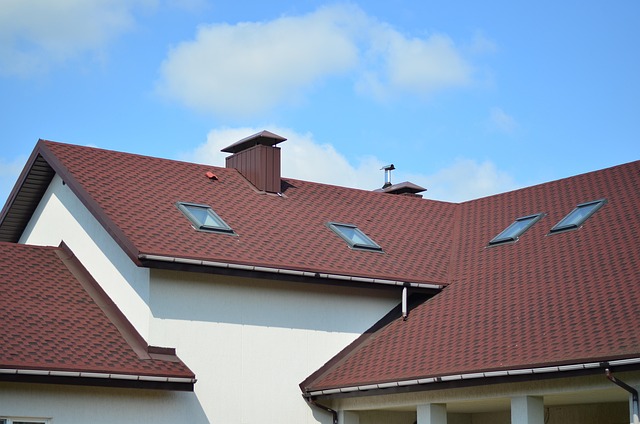
Your roof is one of the most essential parts of your home — protecting you from rain, sun, wind, and storms while contributing to energy efficiency and overall comfort. Although often overlooked, understanding the basics of roofing can help you make smarter decisions about repairs, materials, maintenance, and long-term planning.
A roof’s primary job is protecting your home from the elements. Good roofing prevents water, wind, heat, and other weather forces from damaging your home’s interior. In areas prone to heavy rainfall, high winds, or extreme sun — like many parts of Australia — a sturdy roof also enhances comfort and safety by keeping out moisture and helping regulate indoor temperatures. But roofing does more than just keep you dry — it also contributes to:
Even though roofing materials are visible from the outside, much of what makes a roof effective happens behind the scenes:
Different materials suit different climates, budgets, and design preferences. Here are the most common options:
Affordable and widely available, asphalt shingles are popular for residential homes. They are easy to install and come in many styles, though they typically have a shorter lifespan compared to other materials.
Metal roofs — made from steel, aluminum, copper, or zinc — are durable, lightweight, and long-lasting. They reflect heat well and perform strongly against severe weather.
These offer a natural look and good insulation properties, but require regular maintenance and may be less suitable for wet or humid climates without proper care.
Slate is known for exceptional longevity and fire resistance. Although one of the more expensive options and heavier to install, slate roofs can last over a century if properly maintained.
| Material | Average Lifespan | Key Pros | Key Cons |
| Asphalt Shingles | 20–30 years | Affordable, easy to install | Shorter lifespan, moderate durability |
| Metal Roofing | 40–70 years | Durable, eco-friendly, low maintenance | Higher upfront cost |
| Wood Shakes & Shingles | 30–40 years | Aesthetic appeal, natural insulation | High maintenance |
| Slate Roofing | 100+ years | Extremely long lifespan, fire-resistant | Costly, heavy, specialist installation |
How long a roof lasts depends on:
For example:
These estimates can vary depending on your climate, storm exposure, and how well the roof is cared for.
A well-installed roof does more than stop rain:
Good roofing systems rapidly shed water and resist leakage, protecting internal structures from rot, mould, and structural damage.
Proper insulation and reflective materials help reduce heat gain in summer and heat loss in winter, improving comfort and reducing energy costs.
The roof distributes loads safely across walls and framing, contributing to the overall stability of your property.
Even the best roofing systems can experience performance issues over time. Exposure to weather, natural ageing, and poor maintenance can gradually weaken a roof’s ability to protect your home. Understanding these common problems can help you identify early warning signs and take action before minor issues escalate into costly repairs.
Roof tiles, shingles, and metal sheets can crack, shift, or loosen due to strong winds, hail, falling debris, or foot traffic. Even small gaps can allow rainwater to enter the roof cavity and travel through insulation and framing before becoming visible inside.
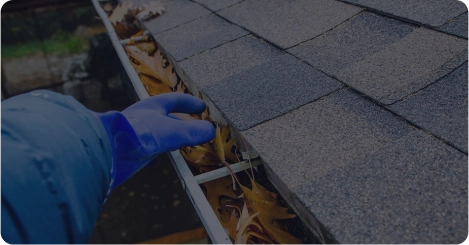
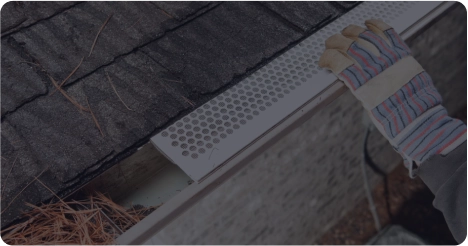
Gutters and downpipes play a critical role in directing water away from the roof. When they become blocked with leaves, dirt, or debris, water can overflow and pool along roof edges, increasing the risk of leaks, fascia damage, and internal moisture problems.
Flashings seal vulnerable areas such as skylights, chimneys, vents, valleys, and roof joints. Over time, flashing can rust, lift, crack, or separate from the roof surface, allowing water to penetrate during rainfall or wind-driven storms.
Poor ventilation traps heat and moisture in the roof space, accelerating material deterioration and increasing the risk of mould growth. Excess moisture can also reduce insulation effectiveness and lead to timber rot in roof framing.
The underlayment acts as a secondary waterproof barrier beneath the visible roofing material. As it ages, it can become brittle, tear, or lose its protective properties, making the roof more vulnerable to leaks.
Severe weather events such as heavy rain, strong winds, hail, and extreme heat can cause sudden damage or gradually weaken roofing materials. Storm damage is not always obvious and may only become apparent weeks or months later.
Incorrect installation techniques or low-quality repairs can leave hidden weaknesses in the roofing system. These issues may remain unnoticed until heavy rain or prolonged exposure reveals the problem.
Ignoring these common issues can shorten the lifespan of your roof and increase the likelihood of water damage, mould growth, and structural deterioration. Regular inspections and timely repairs are key to maintaining long-term roofing performance.
Knowing the basics of roofing empowers you to:
Understanding roofing fundamentals is important — but diagnosing issues and performing safe, effective repairs requires expertise and experience. If you’ve noticed signs of roof damage, leaks, or deterioration, professional assessment and servicing is the best way to protect your home.
SPS Roofing offers:
Whether you need maintenance advice or full roof servicing, SPS Roofing ensures your home stays protected with quality workmanship and dependable service.
Contact SPS Roofing today to book a roofing inspection or get an expert quote.
We aim to help you solve your home improvements & repair issues without disturbing your household cashflow

No catches or gimmicks. Have an option to spend now, pay later!

Apply & have an outcome in minutes!