Services





If you own a flat-roofed property in Sydney, or you’re looking at a terrace home, a commercial building, or a newer townhouse, there’s a good chance you’re looking at a parapet roof. They’re one of the most common roofing styles across Australian cities, yet most homeowners and business owners don’t fully understand how they work or what maintenance they need.
This guide covers everything you need to know about parapet roofs: what they are, the different types, why they’re a smart choice for many properties, the warning signs to watch for, and how to keep yours in top condition long-term.
What Is a Parapet Roof?
A parapet roof is a roof where the exterior wall extends upward past the roofline, forming a low wall or barrier around the perimeter. That raised wall is called a parapet wall. It sits above the roof surface and is visible from the street, giving the building a clean, finished edge rather than exposing the eaves or roof structure underneath.
Parapet walls can be made from brick, concrete, render, metal capping, or a combination of materials. They range from a few centimetres tall to over a metre, depending on the building type and local council requirements. On flat or low-pitch roofs, they serve a clear dual purpose: structural edge protection and concealment of rooftop equipment like air conditioning units, solar inverters, and drainage outlets.
Historically, parapets appeared on castles and fortifications as a defensive structure. In modern construction, they evolved into a practical and widely used architectural feature across residential, commercial, and strata properties throughout Sydney and the rest of Australia.
The 4 Main Types of Parapet Roofs
Not all parapet roofs are built the same way. The type used on a building depends on its architectural style, its intended use, and the structural requirements of the roof below.
Flat Parapet
The most common type in modern construction. The parapet wall has a flat top (usually capped with metal flashing or a coping stone) and runs level along all sides. Clean, contemporary, and easy to waterproof. Very common on commercial and residential flat roofs across Sydney.
Sloped Parapet
The top of the parapet wall is angled, either matching the pitch of the roof below or sloping in the opposite direction to direct rainwater away from the wall face. More common on older or heritage-style buildings where drainage design was a primary concern.
Embattled (Crenellated) Parapet
Featuring alternating raised sections and gaps along the top, embattled parapets trace their design back to medieval fortifications. Today they appear on heritage buildings, churches, and residential projects that want a distinctive historical character.
Perforated Parapet
The wall features openings or cutouts that allow airflow and reduce wind load on the roof structure. Often used on commercial buildings in wind-exposed locations. The openings can be purely functional or used decoratively to add visual interest to the facade.
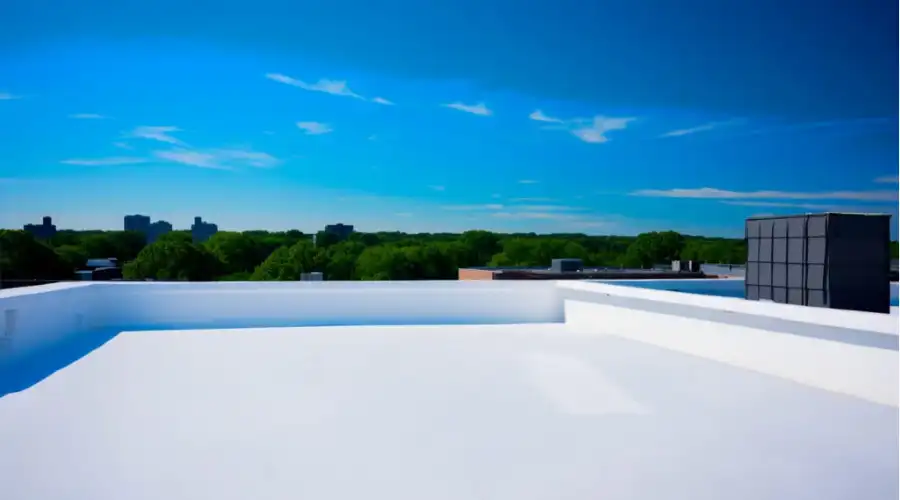
Different parapet roof types and their design characteristics.
Key Benefits of a Parapet Roof
Parapet roofs aren’t just an architectural aesthetic choice. They offer a range of practical advantages that make them a popular solution for both residential and commercial properties in Sydney.
- Enhanced safety: The raised wall creates a physical barrier at the roof edge, reducing the risk of falls for anyone accessing the rooftop for maintenance or inspections. For flat-roofed commercial buildings with regular rooftop access, this can be a compliance requirement under Australian building codes.
- Wind protection: The parapet wall deflects wind away from the roof surface, reducing wind uplift forces on roofing materials. This is particularly valuable in coastal and exposed locations around greater Sydney.
- Conceals rooftop equipment: Air conditioning units, solar systems, extraction fans, and other mechanical equipment are hidden from street view behind the parapet wall, keeping the building’s exterior neat and professional.
- Fire protection: Parapet walls act as a fire barrier between adjoining terraces or commercial buildings, helping to slow the spread of fire across rooftops. This is one reason they are required on certain building types under the National Construction Code.
- Clean, modern aesthetic: A well-built parapet gives any building a contemporary, finished appearance that holds its visual appeal over decades.
- Improves property value: A properly maintained parapet roof that is structurally sound and watertight adds to the long-term value and saleability of a property.
Common Issues to Watch For
Parapet roofs perform well when built and maintained correctly. The problems arise when the waterproofing at the junction between the parapet wall and the roof surface breaks down, or when the mortar, coping, or flashing begins to deteriorate. Sydney’s combination of intense summer heat, UV exposure, and heavy seasonal rainfall accelerates this wear.
These are the warning signs that your parapet roof needs attention:
If you notice any of these signs, don’t wait. Water infiltration through a damaged parapet wall can cause significant structural damage to the building below, and the repair costs escalate quickly the longer the issue is left unaddressed.
Parapet Roof Maintenance: What You Need to Do
A parapet roof is low-maintenance by nature, but “low-maintenance” doesn’t mean “no maintenance.” The following steps will keep your parapet roof performing well for decades and help you avoid costly water damage repairs down the track.
Annual Professional Inspection
Have a licensed roofer inspect the parapet wall, coping, flashing, and roof membrane at least once a year. Catching minor cracks or loose flashing early is far cheaper than repairing water-damaged ceilings and structural timbers.
Keep Drainage Clear
Parapet roofs typically drain through internal outlets or scuppers (through-wall openings). Make sure these are clear of leaves, debris, and buildup. Blocked drainage leads to ponding water, which accelerates membrane deterioration and can add significant structural load to the roof.
Check and Maintain the Flashing
Roof flashing is the metal strip that seals the junction between the parapet wall and the roof membrane. It is the most vulnerable point on a parapet roof. Check it annually for rust, lifting edges, gaps, or failed sealant. Resealing or replacing flashing is a straightforward job that prevents the majority of parapet roof leaks.
Inspect and Repoint Mortar Joints
On brick or masonry parapet walls, the mortar joints between bricks degrade over time through thermal movement and UV exposure. Repointing (filling deteriorated mortar joints with fresh mortar) is a routine job that prevents water from seeping into the wall structure.
Apply Protective Coating
A waterproof sealant or protective coating applied to the parapet wall face and the roof membrane around its base extends the life of the whole system. This is typically done as part of a roof restoration and can be refreshed every 5 to 7 years depending on the product used.
Address Cracks Quickly
Even hairline cracks in the parapet wall render or brickwork allow moisture to enter. Once water is inside the wall structure, freeze-thaw cycling and ongoing moisture movement widen the cracks rapidly. Small cracks are a quick fix; structural cracks are not. Don’t delay.
Parapet Roof vs. Standard Roof: Which Is Right for Your Property?
Parapet roofs are not a one-size-fits-all solution. They are best suited to flat or low-pitch roof structures, and they perform particularly well on commercial buildings, strata complexes, terraces, and multi-storey residential properties. For steeply pitched tiled or Colorbond roofs on detached houses, a traditional eave and gutter system is typically the better option.
The key questions to ask are: Do you need to conceal rooftop equipment? Is safety at the roof edge a concern? Does the building have a flat or low-pitch roof? If the answer to any of these is yes, a parapet roof is worth serious consideration.
If you are unsure whether your existing parapet is performing as it should, or you are planning a roof replacement and want to understand your options, the best starting point is a professional inspection. A roofing specialist can assess the condition of the parapet wall, the membrane, the flashing, and the drainage system and give you an honest recommendation on what the roof needs.
Frequently Asked Questions
How long does a parapet roof last?
A well-built parapet roof with a quality membrane and regular maintenance will typically last 20 to 30 years before a full roof replacement is required. The parapet wall itself, if built from brick or concrete with proper coping, can last the life of the building when maintained correctly. Flashing and membrane coatings will need refreshing every 10 to 15 years.
Are parapet roofs more prone to leaking?
Not inherently, but the junction between the parapet wall and the roof membrane is a known weak point that requires quality workmanship and regular maintenance. When built correctly and inspected annually, parapet roofs are no more leak-prone than any other flat roof system. Issues arise most commonly when flashing is poorly installed or when maintenance is deferred.
Do I need council approval to repair or modify a parapet wall?
Routine repairs and maintenance (repointing, replacing flashing, applying sealant) generally don’t require council approval in NSW. However, if you are planning to raise, lower, or structurally alter the parapet wall, you may need Development Approval or Complying Development Certificate depending on your local council and the scope of work. A licensed roofer can advise on what’s required for your specific project.
What is the minimum height for a parapet wall in Australia?
Under the National Construction Code (NCC), parapet walls that serve as balustrades (i.e., where people access the rooftop) must be at least 1 metre high. Parapets that are purely aesthetic or serve as fire separation walls have different height requirements depending on the building classification. Your roofing contractor and builder should verify compliance with current NCC requirements and any local council overlays that apply to your property.
Can I convert a parapet roof to a pitched roof?
Yes, but it’s a significant structural project that involves engineering approval, council permits, and the removal of the existing parapet wall. Whether it’s worthwhile depends on the building type and your long-term plans for the property. In most cases, a high-quality roof restoration or membrane replacement on the existing flat/parapet structure is a more cost-effective path.
Need a Parapet Roof Inspection in Sydney?
SPS Roofing has been delivering quality roofing solutions across Sydney for over 15 years. If your parapet roof needs an inspection, repair, restoration, or replacement, our team is ready.