Services







0% Interest Payment Plan Get Your New Roof Financed
We aim to help you solve your home improvements & repair issues without disturbing your household cashflow


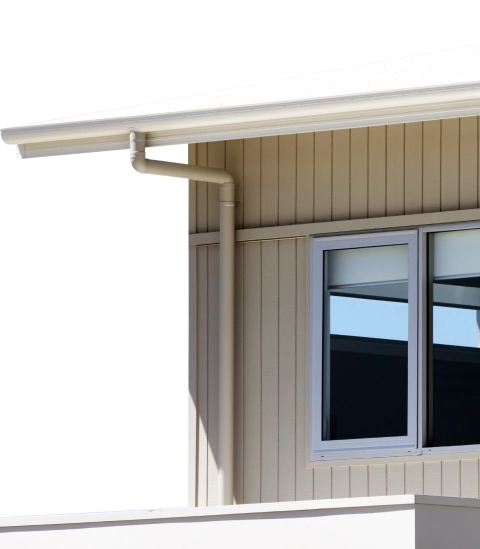
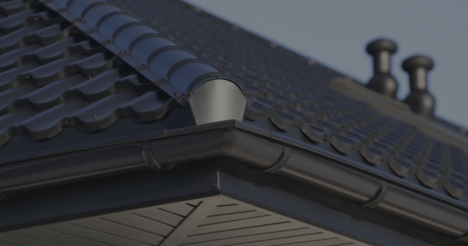
Roof fascia is the long horizontal board fixed along the lower edge of your roofline, sitting right where the outer walls of your home meet the roof. If you stand at the front of your house and look up toward the gutter, the board running behind and supporting the gutter is your fascia.
In most Sydney homes, fascia runs around the entire perimeter of the roof. It covers the exposed ends of the roof rafters or trusses, giving the roofline a neat, finished appearance. More importantly, it acts as the main mounting point for your guttering system.
Fascia is sometimes called a “fascia board” or “roofline board”. In older homes it is almost always timber. In newer builds and renovations, Colorbond steel has become the standard because it requires virtually no maintenance and integrates cleanly with modern guttering.
Fascia is not just decorative. It carries real structural and protective responsibilities that affect your whole roof system.
Gutter brackets are fastened directly to the fascia. Without a sound fascia board, your gutters have nothing solid to attach to. A rotten or failing fascia is one of the most common reasons gutters sag, pull away from the roofline, or collapse under the weight of water during heavy rain.
The ends of your roof rafters are timber. Left exposed, they would quickly absorb moisture, soften, and rot. The fascia seals across those rafter ends, stopping rain from getting in. Water intrusion through a damaged fascia is one of the leading causes of structural rot in Sydney roofs, particularly in homes where gutters are not cleaned regularly and water overflows back against the board.
Gaps in damaged or rotted fascia give birds, possums, rats, and insects a direct entry point into your roof cavity. Once they are in, they are difficult and expensive to remove. A tight, well-maintained fascia closes that gap entirely.
On tiled roofs, the fascia helps support the bottom row of tiles and prevents them slipping out of alignment. This is particularly relevant on steeper-pitched roofs where gravity places more pressure on the lower course.
A clean, even fascia creates strong street appeal. A sagging, peeling, or visibly rotted fascia makes a house look neglected. That matters for daily pride of ownership and for property value when it comes time to sell.
These two terms come up together constantly and are easy to confuse. They are different parts of your roofline, both working together to protect the eaves.
| Component | Location | Primary role |
|---|---|---|
| Fascia | The vertical board along the front of the eave, where gutters attach | Supports gutters, protects rafter ends, seals the roofline |
| Soffit | The horizontal panel on the underside of the eave (the ceiling of the overhang) | Closes off the roof cavity, provides ventilation, prevents pest entry from below |
When fascia deteriorates, the soffit often follows. Water running behind a failed fascia frequently drips onto the soffit below, causing it to swell, crack, or collapse. If a contractor tells you both need replacing, that is usually a genuine finding rather than upselling.
Most fascia damage develops behind the gutter line and out of direct sight. By the time it is obvious from the ground, the damage has usually been building for months. Here is what to watch for:
If you have noticed your gutters leaking or overflowing regularly, it is worth having the fascia inspected at the same time. The two issues are often connected. See our guide on why gutters leak for more on how these systems interact.
The right material depends on your home’s age, style, budget, and how much maintenance you want to commit to. Here is how the main options compare for Sydney conditions.
| Material | Lifespan (maintained) | Maintenance level | Best suited to |
|---|---|---|---|
| Timber (pine, cedar, hardwood) | 20 to 40 years | Repaint every 5 to 8 years; inspect annually | Heritage homes, older properties, painted finishes |
| Colorbond steel | 30 to 50+ years | Very low (occasional rinse) | Modern homes, new builds, renovations |
| Aluminium | 30 to 40 years | Low (won’t rust or rot) | Coastal homes, modern builds |
| uPVC (vinyl) | 20 to 30 years | Very low (wipe clean) | Budget-conscious renovations |
For most Sydney homeowners replacing timber fascia today, Colorbond steel is the practical default. It won’t rot, does not need painting, and comes pre-finished in over 20 colours to match your existing roofing and gutters. Timber remains the right call for period homes where matching the original material matters for heritage or council approval reasons.
Not every fascia issue requires a full replacement. Here is how to think through the decision:
When replacing fascia, it is also a good time to check and clean your gutter system and replace old gutter brackets at the same time. New fascia paired with corroded brackets is a missed opportunity.
Costs vary based on material choice, roof height, the number of sides affected, and whether gutters need to come down and go back up at the same time.
| Job type | Approximate cost range (Sydney, 2026) |
|---|---|
| Single section repair (1 to 2 boards) | $150 to $500 |
| Full replacement, average Sydney home | $2,000 to $6,000 |
| Colorbond fascia, per linear metre | $50 to $100 per linear metre |
| Combined fascia and gutter replacement | $4,300 to $9,000+ |
| Two-storey access surcharge | Add 20 to 40% |
These are guide ranges based on Sydney market pricing in 2026. The best way to get an accurate number for your property is a free on-site inspection — every roofline is different, and a quote after inspection is far more reliable than any phone estimate.
Knowing what to expect on the day helps you plan and ask the right questions beforehand.
Most residential fascia replacement jobs take one to two days. Larger homes or those with structural complications may run to three days.
The single biggest cause of premature fascia failure in Sydney is blocked gutters overflowing back against the board. Regular gutter maintenance directly extends the life of your fascia.
For a broader overview of keeping your whole roof system in good shape, read our roofing basics guide for Australian homeowners.
The main signs are gutters sagging or pulling away from the roofline, peeling or flaking paint on the fascia board, soft spots you can press with a screwdriver, visible rot, and gaps forming between the fascia and the roofline. Water stains on the external wall beneath the gutter line are also a common indicator. If you see any of these, book an inspection before the damage spreads to the rafters.
Yes, in almost every case. The gutters are removed temporarily, the old fascia comes off, and the new boards are installed. The roof tiles or sheeting stay in place throughout. If rafter ends have rotted and need structural repair, that work is done while the fascia is already off.
For most Sydney homes being renovated or re-roofed today, Colorbond is the practical choice. It won’t rot, does not need painting, and comes pre-finished in over 20 colours to match gutters and roofing. Timber makes sense where matching an original period profile matters, or for heritage-listed properties where council requirements specify it.
Most residential jobs take one to two days for an average-sized home. If gutters are being replaced at the same time, or if structural timber repair is needed behind the fascia, the job may extend to two to three days.
Not necessarily, but gutters need to come down for the fascia to be replaced anyway. If the gutters are old, corroded, or have been leaking, replacing them at the same time avoids repeat labour costs and ensures a matching, integrated system.
The most common cause is blocked or overflowing gutters. When water cannot flow freely, it backs up and sits against the timber fascia. Combined with Sydney’s humidity and heat, that moisture causes rot to develop behind the gutter line, often invisible until the damage is already significant. Regular gutter cleaning is the most effective prevention.
A single section repair typically costs $150 to $500. Full fascia replacement for an average Sydney home runs $2,000 to $6,000. Combined fascia and gutter replacement packages generally range from $4,300 to $9,000. The only way to get an accurate figure is a free on-site inspection, as every property is different.
It depends on your policy and the cause of damage. Storm-related fascia damage is often covered by home and contents insurance. Damage caused by age, neglect, or lack of maintenance is generally excluded. If a storm caused the damage, document it thoroughly and contact your insurer before arranging permanent repairs.
We aim to help you solve your home improvements & repair issues without disturbing your household cashflow

No catches or gimmicks. Have an option to spend now, pay later!

Apply & have an outcome in minutes!