Services




Every December, SPS Roofing receives call-outs that trace back to the same cause: Christmas light installation done the wrong way. A staple gun used on tiles. Metal hooks clamped directly onto Colorbond sheeting. Someone walking across terracotta tiles to reach the ridge. Small mistakes that leave behind cracked tiles, rust staining, or a water entry point that does not show up until the first heavy summer storm.
The good news is that none of it has to happen. Hanging Christmas lights safely on any Sydney roof is straightforward once you know which attachment method is right for your roof type, and which ones to never touch. Here is exactly what you need to know.
First: know your roof type
The biggest mistake Sydney homeowners make is using a generic Christmas light clip without considering what their roof is made of. The correct attachment method for a Colorbond metal roof is completely different to what works on terracotta tiles. Getting this wrong is how you end up with damage that only becomes visible months later.
Concrete and Terracotta Tile Roofs
Tile roofs are the most common in Sydney’s western and south-western suburbs. Both concrete and terracotta tiles are brittle under concentrated weight and pressure. Stepping directly on them, or clamping metal hooks down onto the tile surface, is how they crack.
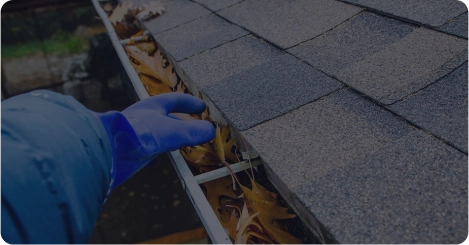
The safe attachment point on a tile roof is the gutter or the tile lip along the eave, not the tile body itself. Use clips specifically designed to hook under the bottom edge of the tile or over the gutter without applying pressure to the tile surface.
Colorbond and Metal Roofing
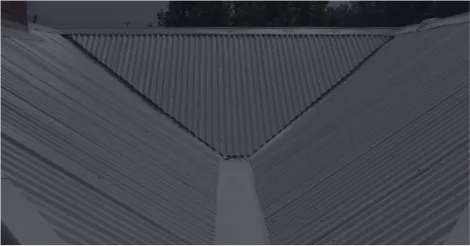
Colorbond is more robust than tile under foot, but it has its own vulnerabilities. The baked-on paint coating is what gives Colorbond its corrosion resistance. Anything that scratches, punctures or chemically bonds to that coating creates a rust entry point and may void your warranty.
The safe approach for Colorbond is to attach to gutters only and avoid fixing anything directly to the sheeting. Magnetic clips designed for metal roofing are available if you do need to fix to the surface, but standard gutter clips are sufficient for most roofline displays.
Roofs Without Gutters
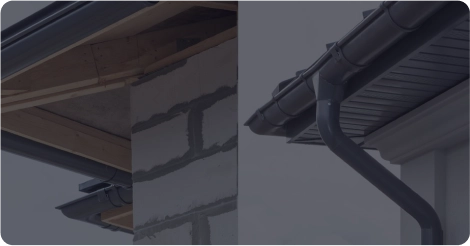
Some Sydney homes, particularly those with wide overhangs or flat parapet-style roofs, have sections of roofline without accessible gutters. For these situations, your safest option is to run lights along fascia boards using purpose-made fascia clips, or to run the display along the ground or fence line instead of the roofline.
If you do need to attach to a roof surface without gutters, use self-adhesive removable hooks rated for outdoor use on the surface material. Test a small area first and check that removal does not pull any coating or paint. Do not use staples or nails under any circumstances.
What to do and what to never do
Do this
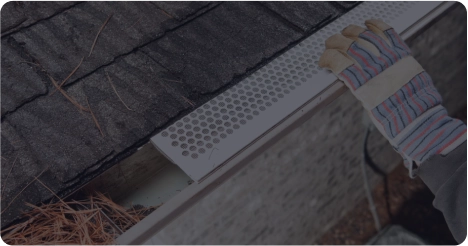
- ✓ Use plastic over-gutter clips designed for your roof type
- ✓ Work from a ladder along the roofline, not from the roof surface
- ✓ Check that all clips, hooks and fittings are non-ferrous (plastic or stainless) to prevent rust staining
- ✓ Secure loose cable runs so they cannot move in wind
- ✓ Take lights down before peak storm season (mid-January at the latest)
- ✓ Remove clips slowly and carefully to avoid lifting tile edges
- ✓ Inspect your roof before installation to confirm it is in good condition
Never do this
- ✗ Walk directly on concrete or terracotta tiles without professional footwear and guidance
- ✗ Use a staple gun, nail gun or hammer to fix lights to any roof surface
- ✗ Use metal hooks or clips that apply clamping pressure to tile bodies
- ✗ Use adhesive hooks on Colorbond or painted metal surfaces
- ✗ Drill or punch through any roofing material to route wiring
- ✗ Leave metal fixings in contact with roof surfaces over summer
- ✗ Run electrical cords under or between tiles
Common installation mistakes and their consequences
| Mistake | Roof Type Affected | Risk | What Goes Wrong |
|---|---|---|---|
| Staple gun into tiles or Colorbond | All types | High | Creates penetration point; water ingress; rust; tile crack |
| Walking directly on terracotta or concrete tiles | Tile roofs | High | Tiles crack under concentrated weight; hidden hairline fractures allow water in |
| Metal clips clamping onto tile bodies | Tile roofs | High | Chips tile surface glaze; creates moisture trap; can crack tile edge |
| Adhesive hooks on Colorbond | Metal roofs | Medium | Adhesive lifts paint coating on removal; voids warranty; creates rust entry point |
| Ferrous (steel) clips left over summer | All types | Medium | Clips rust; rust stains tile and metal surfaces; staining is very difficult to remove |
| Loose cable runs flapping in wind | All types | Medium | Cable abrades roof surface over time; dislodges clips; electrical hazard in rain |
| Plastic gutter clips over-tightened | Tile roofs | Low | Minor risk if clipped to gutter; remove carefully to avoid bending gutter lip |
Not sure if your roof is ready for Christmas lights?
A pre-Christmas inspection takes 30 minutes and tells you exactly what condition your roof is in before you climb that ladder. SPS Roofing covers all of Sydney with same-day availability.
Book a Free Inspection Call 02 9067 9574Step-by-step: how to hang lights safely
Inspect Your Roof From Ground Level First
Before you buy a single clip or unbox a strand of lights, walk around your home and look at the roofline from ground level. Use binoculars if you need a closer look. You are checking for cracked or displaced tiles, any areas where the roofline dips, rusted or sagging gutters, and missing mortar around ridge capping.
If you spot anything unusual, get it assessed before the lights go up. Hanging lights on a compromised roof risks making existing damage worse, and adds extra load and wind resistance to an already weakened structure. Our pre-Christmas roof checklist covers exactly what to look for from the ground.
Buy the Right Clips for Your Roof Type
This is the step most people skip, and it is where most damage begins. There is no universal Christmas light clip that works safely on every roof. The right choice depends entirely on whether you have tile, Colorbond, or another surface.
- ▲ Tile roofs: Over-gutter plastic clips that hook onto the gutter lip, or under-tile-edge clips that slide under the bottom tile without touching its face
- ▲ Colorbond roofs: Over-gutter plastic clips along the eave, or magnetic clips rated for coated metal surfaces if you need attachment to the sheeting itself
- ▲ Fascia boards: Fascia-specific plastic clips that hook over the board edge without using nails or staples
- ▲ All types: Choose clips rated for outdoor use; stainless steel or plastic only — never uncoated steel that will rust
Plan Your Layout Before You Climb the Ladder
Work out your full display design on the ground before going up. Measure the run of your gutters and eaves, calculate how many clips you need and where they will sit, and plan where power cords will run from the display down to an outdoor power point.
This saves you multiple trips up and down and reduces the time you spend working at height. A good rule of thumb: one clip per 30 to 40 centimetres of light strand, placed at consistent intervals to prevent sagging.
Attach Clips to Gutters, Not to Roof Surfaces
For almost every Sydney home, you can achieve a full roofline display without ever touching the roof surface itself. The gutter and fascia board provide a safe, non-invasive attachment point that leaves your roof material completely undisturbed.
Work your way along the roofline from the ladder, clipping to the gutter lip at regular intervals. Keep light strands taut but not stretched — allow a little slack so the strand does not pull clips off in wind. Route power cords down a downpipe or fascia rather than across the roof surface.
Secure All Cable Runs Against Wind Movement
Sydney’s December and January weather brings strong northerly winds alongside summer storms. Loose cables that flap in wind will abrade roof surfaces, dislodge clips, and create electrical hazards in wet weather.
After hanging your lights, check that every section of cable is clipped securely and cannot swing freely. Pay particular attention to corners and any section where the strand changes direction. Where cords run vertically down to the power point, secure them to the downpipe or wall with additional outdoor cable clips.
Take Lights Down Before Summer Storm Season Peaks
Christmas lights left up through January and February are not just an aesthetic issue. Every heavy rain event and wind storm creates mechanical movement in the strands and clips. That movement adds up to wear on your roof surface, and any clips in direct contact with tiles or metal are slowly working at the material underneath.
Aim to take your lights down before Australia Day weekend (the last weekend of January). That keeps the most intense summer storm period ahead of you, with your roof free of any extra load or abrasion.
If damage has already happened
If you have already used the wrong clips, walked on tiles, or noticed damage after removing last year’s lights, here is what to look for and when to call a professional.
- ▲ Cracked or chipped tiles: Even a hairline crack is a water entry point. Get it assessed and repaired before the next rain event.
- ▲ Rust staining on tiles or Colorbond: Surface staining may be cleanable; staining that has penetrated the coating indicates the coating is compromised and needs professional treatment.
- ▲ Water stains on interior ceilings: If you see a new stain after Christmas, the most likely cause is a light-installation-related penetration point. Do not paint over it. Get the source found and sealed first.
- ▲ Displaced or lifted tiles: Tiles that were stepped on may have shifted slightly without visibly cracking. A professional inspection with a tile-by-tile check will find these before they cause leaks.
- ▲ Scratched Colorbond coating: Small scratches can be treated with touch-up paint matched to your Colorbond colour. Larger areas with coating loss need professional assessment to determine if re-coating is required.
Related reading
Frequently Asked Questions
Can Christmas lights damage your roof?
What clips should I use for Christmas lights on a tile roof?
How do I hang Christmas lights on a Colorbond roof?
Is it safe to walk on my roof to hang Christmas lights?
Do Christmas lights void my roof warranty?
What should I do if my roof is already damaged from Christmas lights?
When should I take Christmas lights down to avoid roof damage?
Noticed damage? Don’t leave it until summer.
SPS Roofing inspects and repairs all roof types across Sydney, with same-day service and a lifetime workmanship guarantee. Book before the holiday rush fills up our schedule.
Book a Free Inspection Call 02 9067 9574