Services




What’s the Actual Difference?
Both options leave you with a roof that works. What they don’t share is scope, cost, or when they make sense.
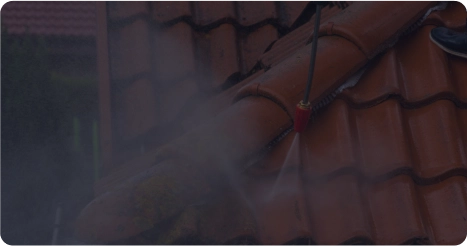
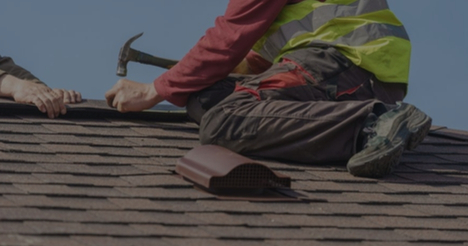
Roof restoration works with what you already have. A licensed crew cleans, repairs, re-seals, and recoats your existing tiles or metal. When it’s done properly, it extends your roof’s life by 15 to 20 years and can transform how the house looks from the street — without the cost or disruption of a full replacement.
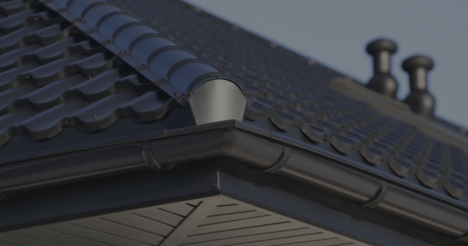
Roof replacement means stripping everything back to the timber frame and starting again with new materials. It’s more disruptive, significantly more expensive, and takes longer. But when a roof is genuinely failing, it’s the only option that solves the problem rather than masking it.
The trap most homeowners fall into is replacing a roof that could have been restored, or restoring a roof that’s already past the point of no return. Both mistakes are expensive. This guide helps you avoid both.
The Cost Comparison
Before anything else, here’s what you’re looking at financially for a Sydney home in 2026.
The overlap in the middle — where restoration ends and replacement begins — is where the decision gets interesting. A $12,000 to $15,000 restoration on a large or complex Sydney roof still comes in well under what replacement would cost. But if the restoration is covering up structural problems, you’ll be spending that money again in three to five years when things fail.
Cost alone shouldn’t drive the decision. The condition of your roof is the real determinant.
How to Tell Which One You Need
Work through each of these factors honestly. If restoration ticks most of the boxes, you’ve got your answer. If replacement keeps coming up, that’s telling you something.
| Factor | Choose Restoration | Choose Replacement |
|---|---|---|
| Roof age | Under 20 to 25 years | 25+ years, especially concrete tiles |
| Structural condition | Sound — no sagging or frame damage | Sagging, rotted battens, or frame movement |
| Leak history | Occasional leaks with traceable causes | Persistent leaks that repairs haven’t fixed |
| Tile condition | Mostly intact, a few cracked or broken | Widespread cracking, missing tiles, or breakage |
| Paint and surface | Faded, chalky, or peeling surface coat | Surface failure is a symptom of deeper problems |
| Repair history | Little to no prior repair work | Repeatedly repaired with no lasting result |
| Asbestos | Not present | Pre-1990 home: get it tested before deciding |
| Budget | $3,500 to $15,000 | $10,000 to $30,000+ |
When Restoration Is the Right Call
Restoration works when the fundamental structure of the roof is still sound and the visible problems are at the surface level. For most Sydney homes built in the 1990s through to the 2000s, that’s the situation they’re in right now — roofs that are 20 to 30 years old, showing wear, but not failing structurally.
Restore if you’re seeing:
- Faded or chalky roof paint with no paint left
- Moss, lichen, or algae across the surface
- A few cracked or broken tiles
- Ridge cap mortar starting to crumble
- A roof that looks tired but feels solid
- Water stains only after heavy, sustained rain
Stop and reassess if you have:
- Visible sagging or uneven rooflines
- Leaks after normal rain, not just storms
- Multiple failed repairs in the last few years
- Widespread cracking across many tiles
- Mould or damp insulation in the ceiling cavity
- A roof over 30 years old with no prior work
A quality restoration covers everything: high-pressure cleaning to strip moss and grime, re-bedding and re-pointing of ridge caps (one of the most common failure points on Sydney roofs), targeted tile replacements, primer application, and a finish coat of quality roof paint. Done right, you get 15 to 20 years of additional life and a roof that looks brand new from the street.
Done cheaply, the paint peels within two years and you’re back to square one. This is where the quality of the contractor matters as much as the decision itself.
When Replacement Is the Right Call
Replacement is a larger commitment, but it’s the right one when the problems go below the surface. Restoration can fix what you can see. It can’t fix a compromised timber frame, rotten battens, or structural movement that’s causing tiles to shift and fail repeatedly.
The clearest signal for replacement is a leak history that repairs haven’t solved. If you’ve had the same section of roof patched two or three times and it keeps coming back, the problem is structural — water is finding its way through a compromised system, and no surface coating will stop it.
Roof age is the other major factor. Concrete tiles, which are the most common material across greater Sydney, have a typical lifespan of 30 to 40 years before the tile itself starts to deteriorate beyond what restoration can address. If your concrete tile roof is approaching or past that mark, a replacement gives you a genuinely clean slate — not a temporary fix on materials that are already spent.
What replacement actually involves
A full replacement means stripping the old roof right back to the timber frame, inspecting and repairing any damaged battens or rafters that are found underneath, and installing new roofing materials from scratch. For most Sydney homes, that’s Colorbond steel ($50 to $120 per m2 installed), concrete tiles ($40 to $60 per m2), or terracotta tiles ($80 to $120 per m2). The work typically takes three to seven days depending on size and complexity.
One thing to budget for that catches homeowners off guard: structural repairs found underneath. Once the old roof is stripped, rotten battens, water-damaged rafters, and compromised insulation are common — especially on older Sydney homes. A good contractor will tell you to budget a 10 to 15% contingency for this. Any roofer who claims they’ll never find extra work once they start is either inexperienced or not being straight with you.
The Roof Types That Suit Each Option
Terracotta tiles
Terracotta is one of the best candidates for restoration. It’s hard, dense, and retains its structural integrity for a long time — many terracotta roofs on Sydney Federation homes are 80 to 100 years old and still structurally sound. The existing glaze needs to be keyed before coating and compatible primers must be used, which adds a little time and cost, but a properly restored terracotta roof can look better than a new concrete tile replacement at a fraction of the price.
Concrete tiles
Concrete tiles are the most common roof type across greater Sydney and the most important one to assess carefully. Younger concrete tile roofs (under 25 years) restore well. Older ones can be more porous and may absorb too much water for restoration to be effective long-term. If your concrete tile roof is over 30 years old, get an honest assessment of tile condition before committing to restoration.
Colorbond and metal roofing
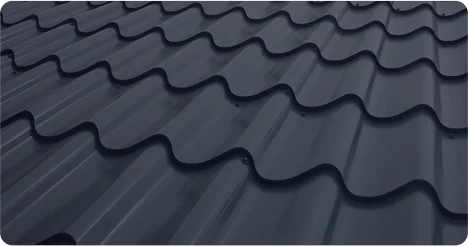
Metal roofs can be restored if they’re showing surface wear but are structurally intact — rust treatment followed by a quality metal roof coating is a well-established process. If there’s widespread corrosion, pinholes, or significant rust through the metal, replacement is the better answer. Colorbond is also one of the most cost-effective replacement materials available, so the gap between restoration and replacement cost is smaller on metal than it is on tile.
Is Roof Restoration Worth the Money?
For a structurally sound roof, yes — clearly. A restoration at $6,000 to $10,000 on a medium Sydney home extends its life by 15 to 20 years. A replacement on the same home costs $15,000 to $25,000. That’s a $10,000 to $15,000 difference for a comparable outcome, assuming the underlying structure is in good shape.
Restoration also adds genuine value at point of sale. Buyers notice roofs. A tired, stained, or mossy roof is one of the first things a buyer uses to negotiate the price down — and one of the easiest things a seller can fix before listing. Real estate agents consistently report that a professionally restored roof returns more in sale price than the cost of the work, particularly in Sydney’s competitive property market where presentation drives buyer confidence.
The caveat is always condition. A restoration on a roof that needed replacing is money spent twice. That’s why the initial inspection matters more than anything else — it’s the moment where a good roofer tells you what you actually need, not what’s easier to sell you.
How to Get a Trustworthy Quote
Whether you’re leaning toward restoration or replacement, the process for getting a reliable quote is the same.
- Get at least three written, itemised quotes. Line-item quotes break down cleaning, repairs, primer, coating, and materials separately. This is the only way to compare contractors fairly. Verbal quotes mean nothing.
- Check their NSW Fair Trading licence. Roofing contractors in NSW must hold a valid contractor licence. Verify it before signing anything.
- Ask what brands and products they’ll use. Quality Australian-made roof coatings with a manufacturer’s warranty are a different proposition to generic warehouse paint. The coating is often the biggest determinant of how long the job lasts.
- Ask what happens if they find more damage. The answer should be: they’ll stop, show you, and get written approval before proceeding. If they can’t answer that clearly, find someone who can.
- Confirm the workmanship warranty. A quality restoration should come with a workmanship warranty of at least five years.
Frequently Asked Questions
Is roof restoration worth it?
How do I know if I need restoration or replacement?
How much does roof restoration cost compared to replacement in Sydney?
Can you restore a terracotta tile roof?
What happens if they find more damage once they start the restoration?
Does a restored roof add value to my home?
How long does roof restoration take?
Not sure which one you need?
Book a free inspection with the SPS team. We’ll give you a straight answer on whether your roof needs restoring or replacing — no upselling, no pressure.
Book a Free Inspection Same-day service available. Lifetime workmanship guarantee.