Services







0% Interest Payment Plan Get Your New Roof Financed
We aim to help you solve your home improvements & repair issues without disturbing your household cashflow


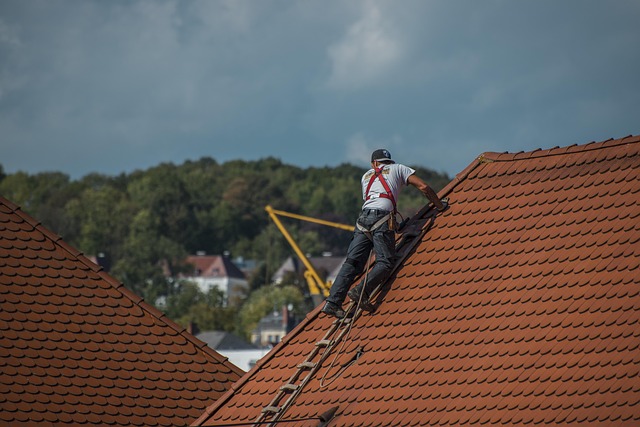
Roof tiles are one of the most popular roofing materials for Australian homes — prized for their durability, weather resistance, thermal performance, and classic aesthetics. But to get the best performance and lifespan from roof tiles, proper installation, maintenance, and care are essential.
Whether you’re planning new installation, repair, or long-term maintenance, this guide explains everything you need to know about roof tiles — the right way.
Before we dive into installation and maintenance, let’s look at why roof tiles are widely used across Australia:
Installing roof tiles correctly is a precise process that ensures long-term durability, weather resistance, and structural protection. Below is a clear, step-by-step overview of how professional roof tile installation is typically carried out in Australia.
Before any installation begins, the roof structure is carefully assessed to ensure it can support the weight of roof tiles. This includes checking rafters, trusses, and roof pitch to confirm compliance with Australian Standards and tile manufacturer requirements. Any damaged timber or uneven surfaces are repaired to create a solid foundation.
A high-quality roofing sarking or underlay is installed across the entire roof area. This layer acts as a secondary water barrier, protecting the roof structure from wind-driven rain, condensation, and dust. Proper overlapping and secure fixing of the underlay are critical to prevent moisture ingress.
Timber or metal battens are fixed horizontally across the roof at precise intervals. Batten spacing is determined by the specific tile profile being used. Accurate batten alignment ensures tiles sit evenly and allows water to flow correctly down the roof surface.
Roof tiles are laid starting from the bottom edge of the roof and working upwards. Each tile is carefully aligned, interlocked, and positioned according to manufacturer specifications. In high-wind areas, tiles may be mechanically fixed or clipped to improve wind resistance and roof stability.
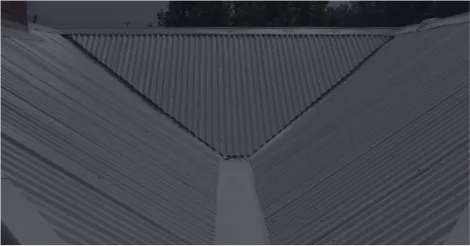
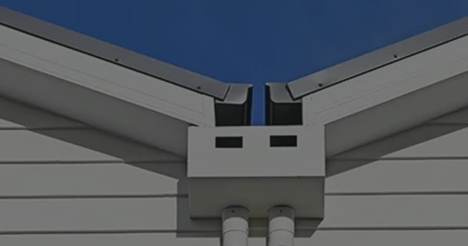
Metal valleys are installed where two roof planes meet to channel water safely into gutters. Flashing is also fitted around roof penetrations such as chimneys, skylights, vents, and walls. These components are essential for preventing leaks at vulnerable junction points.
Ridge caps are installed along the roof’s highest points to seal tile joints and protect against wind uplift. Ridge caps are typically bedded and pointed with flexible compounds or mechanically fixed systems to allow for thermal movement and long-term durability.
Once installation is complete, the entire roof is inspected to ensure tiles are secure, aligned, and properly sealed. Any loose debris is removed, gutters are cleared, and the roof is checked for compliance with safety and quality standards.
Proper maintenance significantly extends the lifespan of tile roofing — reducing repair costs and preventing water damage.
Inspect your roof at least twice a year and after major storms. Look for:
Early detection stops small problems from becoming major leaks.
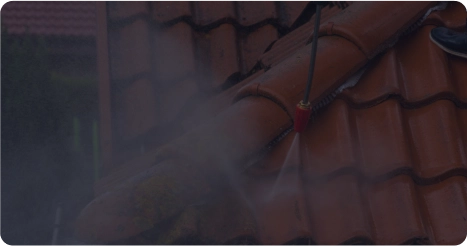
Moss, algae, and organic growth trap moisture, accelerate wear, and can lift tiles. Carefully clean:
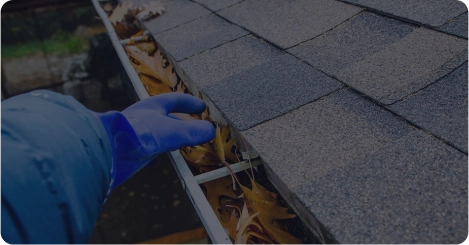
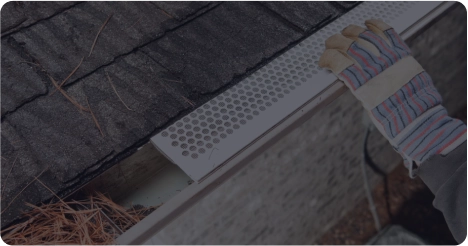
Keeping gutters clear helps water drain quickly and prevents backups.
Replace cracked or damaged tiles promptly to prevent water reaching underlay or roof structure. Delaying replacement invites leaks and structural damage.
Flashing wears over time, especially around roof penetrations. Inspect for:
Re-sealing or replacing flashing restores waterproof integrity.
Annual or bi-annual inspections by a qualified roofing professional help catch hidden issues before they become costly. Professionals can also:
Even well-installed tile roofs can develop issues with time and exposure:
Several factors influence how long roof tiles last:
When maintained well, a tile roof can last decades with minimal repairs.
While some maintenance tasks can be done by homeowners, safety is paramount:
Many issues are easier and safer to detect from the ground or attic before accessing the roof surface.
To ensure long-term performance and structural integrity, roof tiles must be correctly installed and maintained according to professional standards. While proper installation provides essential waterproofing and protection against harsh weather, roofing remains high-risk work that requires specialized equipment and strict adherence to Australian Standard AS 2050.
Attempting DIY repairs or opting for "cheap" installations can lead to critical errors—like improper flashing or blocked weep holes—that ultimately result in thousands of dollars in structural damage.
Roof tiles perform best when installed and maintained correctly. The right installation ensures waterproofing, longevity, and protection against harsh weather — while ongoing maintenance prevents small issues from becoming serious leaks.
At SPS Roofing, we specialise in professional roof tile services across Sydney and NSW, including:
If you’re planning new roof tile installation or want an expert assessment of your existing tile roof, contact SPS Roofing. Our experienced team helps protect your home with quality workmanship and reliable service.
We aim to help you solve your home improvements & repair issues without disturbing your household cashflow

No catches or gimmicks. Have an option to spend now, pay later!

Apply & have an outcome in minutes!