Services







0% Interest Payment Plan Get Your New Roof Financed
We aim to help you solve your home improvements & repair issues without disturbing your household cashflow


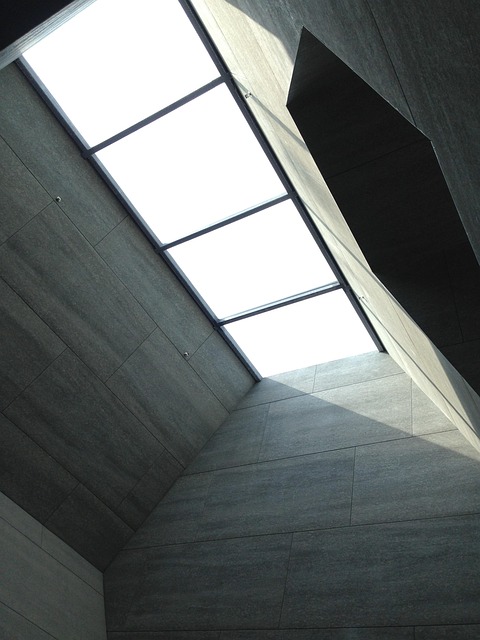
Skylights are a great way to bring natural light into your home, but when they start leaking, they can quickly turn into a serious problem. Water dripping from a skylight can damage ceilings, insulation, timber framing, and even lead to mould growth if left untreated.
The challenge is that skylight leaks are often misdiagnosed, as the visible water may not be coming from the skylight itself but from the surrounding roof structure. Understanding the real causes is the first step to preventing long-term damage.
Skylight leaks are not always obvious at first. In many cases, water enters the roof cavity and travels before becoming visible inside your home. Recognising early warning signs can help prevent extensive damage and costly repairs.
Common signs of a leaking skylight include:
If you notice any of these signs, it’s important to act quickly. Even small or intermittent leaks can lead to structural damage, mould growth, and increased repair costs if left untreated.
One of the most common causes of skylight leaks is improper installation. If a skylight is not fitted at the correct pitch or without the appropriate waterproofing system, rainwater can pool around it and seep inside.
Incorrect installation can include:
Even a brand-new skylight can leak if it wasn’t installed correctly from the start.
Flashing is the protective material that seals the gap between the skylight and the roof. Over time, flashing can corrode, crack, lift, or loosen due to weather exposure and roof movement.
When flashing fails, water can easily penetrate the roof cavity, often travelling before it becomes visible inside the home — making leaks difficult to trace.
Sometimes the skylight itself is not the problem. Cracked roof tiles, rusted metal sheets, or deteriorated underlay around the skylight can allow water to enter and follow the path of least resistance. This is especially common in older roofs where materials have reached the end of their lifespan.
Skylights rely on rubber seals and weatherstripping to keep water out. Over time, UV exposure, heat, and heavy rain can cause these seals to harden, shrink, or crack. Once the seal fails, even light rain can result in moisture entering the roof space.
Not all moisture around a skylight is caused by a leak. In humid areas such as bathrooms or kitchens, condensation can form on the glass and drip down, mimicking a roof leak.
Poor ventilation and temperature differences between indoor and outdoor air often contribute to this issue.
Impact damage from hail, fallen branches, or debris can crack skylight glass or acrylic panels. Even small fractures can allow water to seep in during rainfall.
In some cases, internal seals between double-glazed units may fail, leading to fogging or moisture buildup.
A leaking skylight may seem like a minor issue at first, especially if the water appears only during heavy rain. However, even small or intermittent leaks can cause serious damage over time if left untreated. Water entering through a skylight often spreads unseen within the roof cavity, quietly compromising the structure of your home.
Ignoring a skylight leak can lead to:
Because skylight leaks are often linked to flashing, roof materials, or drainage issues, temporary fixes rarely solve the underlying problem. Early professional inspection and repair can prevent long-term damage and save significant costs.
If your skylight is showing any signs of leaking, prompt action is the most effective way to protect your home and avoid unnecessary repairs.
Not every leaking skylight needs to be replaced. In many cases, the issue can be resolved with targeted repairs once the root cause of the leak has been properly identified. Understanding the difference between a repairable problem and one that requires full replacement can help homeowners make informed, cost-effective decisions.
Skylight repairs are often suitable when:
In these situations, repairs may involve replacing flashing, resealing joints, repairing surrounding roof tiles or metal sheets, and improving ventilation. When done correctly, these solutions can restore the skylight’s watertight performance and extend its lifespan.
Replacement is often recommended when:
Older skylights may no longer meet modern weatherproofing and insulation standards. In these cases, replacing the skylight can provide better energy efficiency, improved sealing systems, and greater long-term reliability.
Because skylight leaks can originate from multiple sources, choosing between repair and replacement requires a thorough inspection of both the skylight and the surrounding roof system. A professional assessment ensures the underlying cause is addressed — not just the visible symptoms — and helps avoid repeated issues in the future.
By identifying the most appropriate solution early, homeowners can prevent unnecessary damage, control costs, and ensure their skylight performs effectively for years to come.
Accurately diagnosing a skylight leak requires inspecting:
Because water can travel along roof timbers before appearing inside, professional leak detection ensures the real source is identified and fixed properly.
Many homeowners attempt temporary fixes such as applying sealant or silicone around the skylight. While this may stop the leak briefly, it rarely addresses the underlying cause.
Skylight leaks are usually linked to:
Without proper inspection, surface repairs can trap moisture and make the problem worse over time.
If your skylight is leaking, the issue is often connected to the roof rather than the skylight alone. SPS Roofing provides professional roof leak detection, skylight repairs, flashing replacement, and roofing solutions designed to fix the root cause — not just the symptoms.
With expert roofing knowledge and proven repair methods, SPS Roofing ensures skylight leaks are resolved properly, protecting your home from further damage.
Contact SPS Roofing today for a professional inspection and long-lasting skylight leak solution.
We aim to help you solve your home improvements & repair issues without disturbing your household cashflow

No catches or gimmicks. Have an option to spend now, pay later!

Apply & have an outcome in minutes!