Services




Spring in Sydney feels like a fresh start. Warmer days, longer evenings, and the first round of outdoor barbecues. But while you’re enjoying the season, your roof is quietly dealing with everything winter left behind — and getting ready to face one of the harshest summers on record.
The problem is that most homeowners don’t think about their roof until there’s a water stain on the ceiling. By then, a small issue has already become an expensive one.
Here’s the thing: October is the best month to get your roof in order. The weather is mild, surfaces dry fast, and you still have six to eight weeks before Sydney’s summer storm season kicks off. Use that window. This checklist covers everything you need to inspect — and what to do when something looks wrong.
Why Winter Is Hard on Sydney Roofs
Sydney winters aren’t extreme, but they’re wetter than most homeowners realise. June through August brings persistent rain, strong south-westerly winds, and temperature swings that cause roof materials to expand and contract. Over time, that movement loosens mortar on ridge caps, cracks older tiles, and causes sealants around flashings to harden and pull away.
Add in the leaf drop from nearby trees, and gutters that were clear in March are often half-blocked by August. Water that can’t flow away from the roof doesn’t just sit there — it finds the path of least resistance, and that path usually goes through your ceiling.
Spring inspection isn’t about being cautious. It’s about fixing small problems while they’re still small.
The Spring Roof Checklist: 8 Things to Inspect Right Now
-
1Roof Tiles or Metal Sheeting Inspect from ground Walk the perimeter of your home with binoculars and look for cracked, slipped, or missing tiles. On a metal roof, check for lifted seams or visible rust streaks. A single cracked tile won’t cause immediate drama — but it will let water in during heavy rain. Don’t walk on the roof yourself unless you’re trained and have the right equipment.
-
2Ridge Capping and Mortar Professional check recommended The ridge cap runs along the top of your roof and is the most exposed part of the structure. The mortar holding it in place dries out and cracks over time, especially after a cold, wet winter. Loose ridge caps are one of the most common causes of roof leaks in Sydney. If the mortar looks crumbly, grey, or powdery, it needs repointing or re-bedding before summer.
-
3Flashing and Sealant Around Penetrations Professional check recommended Flashing is the metal strip that seals the join between your roof and anything that passes through it — chimneys, skylights, vent pipes, and solar panels. In spring, check that sealant around these areas hasn’t cracked or lifted. Flashing failures are hard to spot from the ground and are responsible for a huge percentage of interior water damage. If you have a skylight and it leaked this winter, failed flashing is the most likely cause.
-
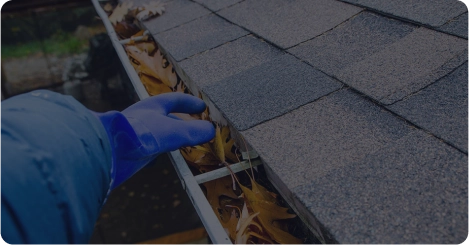
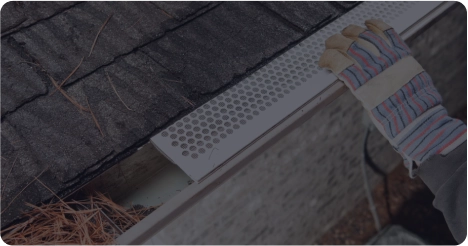
4Gutters and Leaf Debris DIY-friendly with care Blocked gutters are the number one cause of avoidable roof damage in Sydney. After winter, clean out any accumulated leaves, silt, and debris. While you’re up there, check the gutter profile — gutters that have sagged or pulled away from the fascia won’t drain properly. A gutter that overflows in heavy rain sends water directly into the wall cavity.
-
5Downpipes and Stormwater Flow DIY-friendly Run water through each downpipe from a hose and watch where it goes. It should flow freely and discharge well away from your foundation. A blocked or crushed downpipe causes water to back up into the gutter and overflow. While you’re checking, confirm the discharge point — stormwater running against the house or pooling at the base of the wall causes long-term structural damage.
-
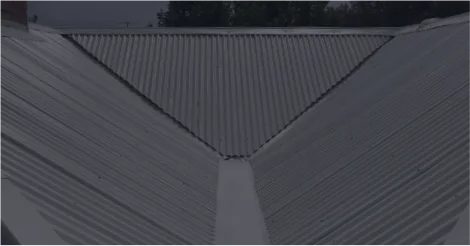
6Valley Gutters Professional check recommended Valley gutters are the internal channels where two roof planes meet. They carry a high volume of rainwater and collect a lot of debris. A partially blocked valley can push water under tiles during a heavy storm event, even if individual tiles look intact. This is one of the most common causes of roof leaks that homeowners can’t locate without a professional.
-
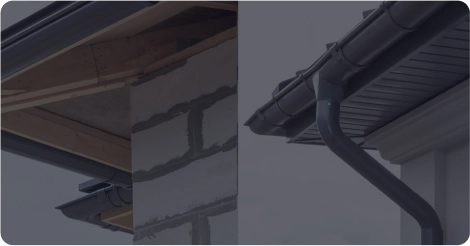
7Fascia Boards and Timber Eaves Visual check from ground Fascia boards run along the lower edge of the roof and support the gutters. Look for boards that are warped, rotting, or showing paint failure — these are signs that water has been sitting against the timber. If the fascia is soft or discoloured, the gutters above it may have been overflowing for some time. Replacing a section of fascia is straightforward; ignoring it means gutter brackets eventually fail.
-
8Roof Cavity and Sarking Professional check recommended If your roof is accessible from the inside, check the sarking (the foil or paper membrane under the tiles) for tears or water staining. Water marks in the cavity that aren’t directly under a visible tile crack often point to a flashing failure. Also check for signs of pest activity — possums and birds become active again in spring and can cause real damage to sarking and insulation.
What Can You Do Yourself vs. When to Call a Roofer?
There’s a clear line between what a homeowner can safely check and what needs a licensed roofer. If it requires getting on the roof, leave it to a professional. A fall from a single-storey roof is serious. From a two-storey roof, it can be fatal.
| Task | DIY Safe? | Notes |
|---|---|---|
| Visual tile inspection (ground level, binoculars) | Yes | Stay on the ground. Binoculars give you enough detail. |
| Gutter cleaning (single storey, stable ladder) | Yes | Use a stabiliser bar and never overreach. Stop if the roof pitch is steep. |
| Downpipe flush with garden hose | Yes | Simple, low-risk, and worth doing every season. |
| Fascia and eave inspection from ground | Yes | Look for discolouration, rot, and paint failure. |
| Ridge cap inspection and repointing | No | Requires walking on the roof. Licensed roofer only. |
| Flashing repair or replacement | No | Incorrect flashing causes more damage than no repair at all. |
| Valley gutter clearing | No | Requires roof access and knowledge of tile placement. |
| Roof cavity inspection | No | Requires experience to correctly identify sarking damage and water sources. |
What Happens If You Skip the Spring Inspection?
Nothing, immediately. That’s the problem.
Roof damage is almost always invisible until a major weather event makes it visible — usually at the worst possible time. Sydney’s summer storms can drop 80mm of rain in an hour. An undetected cracked tile or loose ridge cap that’s been sitting since winter becomes a ceiling leak the moment a storm hits.
By then, the conversation changes from “book a repair” to “deal with water damage in the ceiling, wet insulation, and potential mould.” A repair that would have cost $400 in October now involves a roofer, a plasterer, and possibly a building inspector.
The spring window is short. Get on the checklist now while repairs are still straightforward.
Book Your Spring Roof Inspection
Not sure what to look for or don’t want to risk getting it wrong? SPS Roofing offers comprehensive roof inspections across Sydney. We’ll tell you exactly what needs attention before summer — no fluff, no unnecessary work.
Book an InspectionRelated Reading
If your spring inspection throws up a specific issue, these guides cover the next steps in detail: